
Standard turnaround: 7–10 business days
Rush available
On-site or mail-in

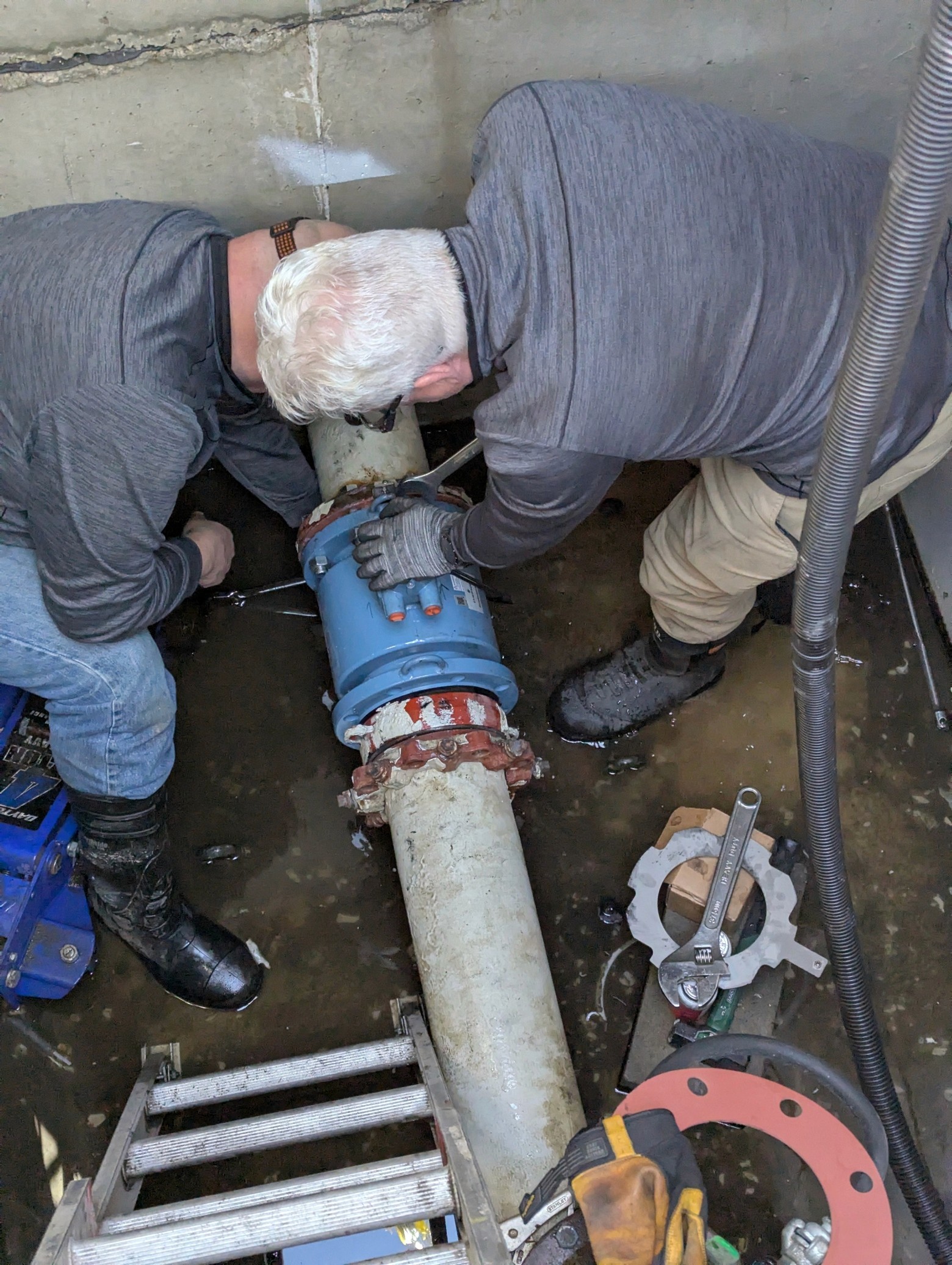

NIST-traceable where applicable
Rush service available


FLOW METER COVERAGE / BY MEASURING PRINCIPLE
Meter types we service, grouped by how they measure.
Flow meters measure in fundamentally different ways, so calibration starts with the measuring principle. These are the meter types we most often calibrate, verify, and repair—not the limit of our capabilities.
P / 01
VEL
Velocity
Infer flow from the speed of the fluid moving through a known area.
EM
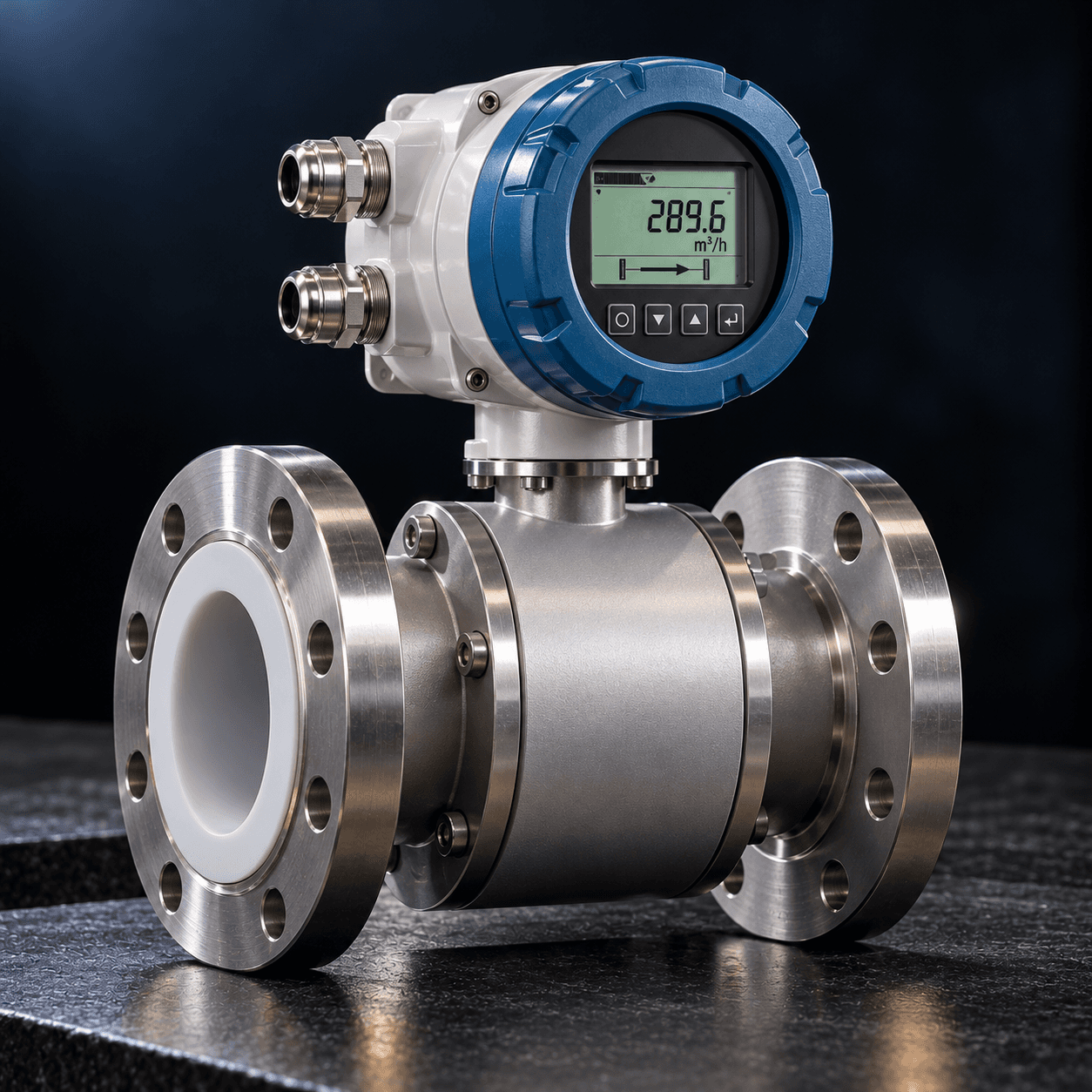
Electromagnetic / Magnetic
US
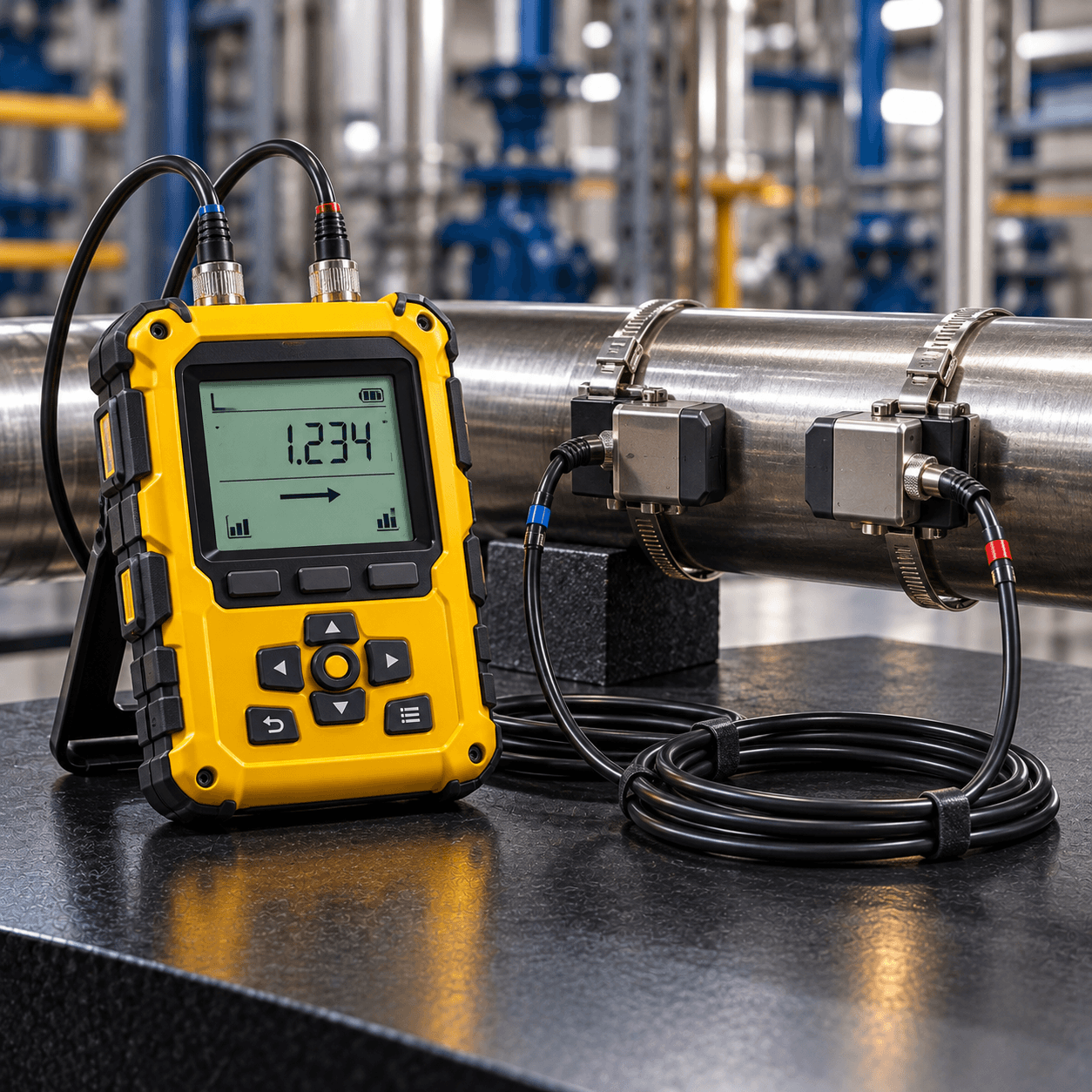
Ultrasonic
TB
Turbine
PR
Propeller
PW
Paddle Wheel
VX
Vortex
VM
Velocity Meters
OP
Optical
P / 02
VOL
Volumetric
Measure flow by capturing or displacing a known volume of fluid.
PD
Positive Displacement
RM
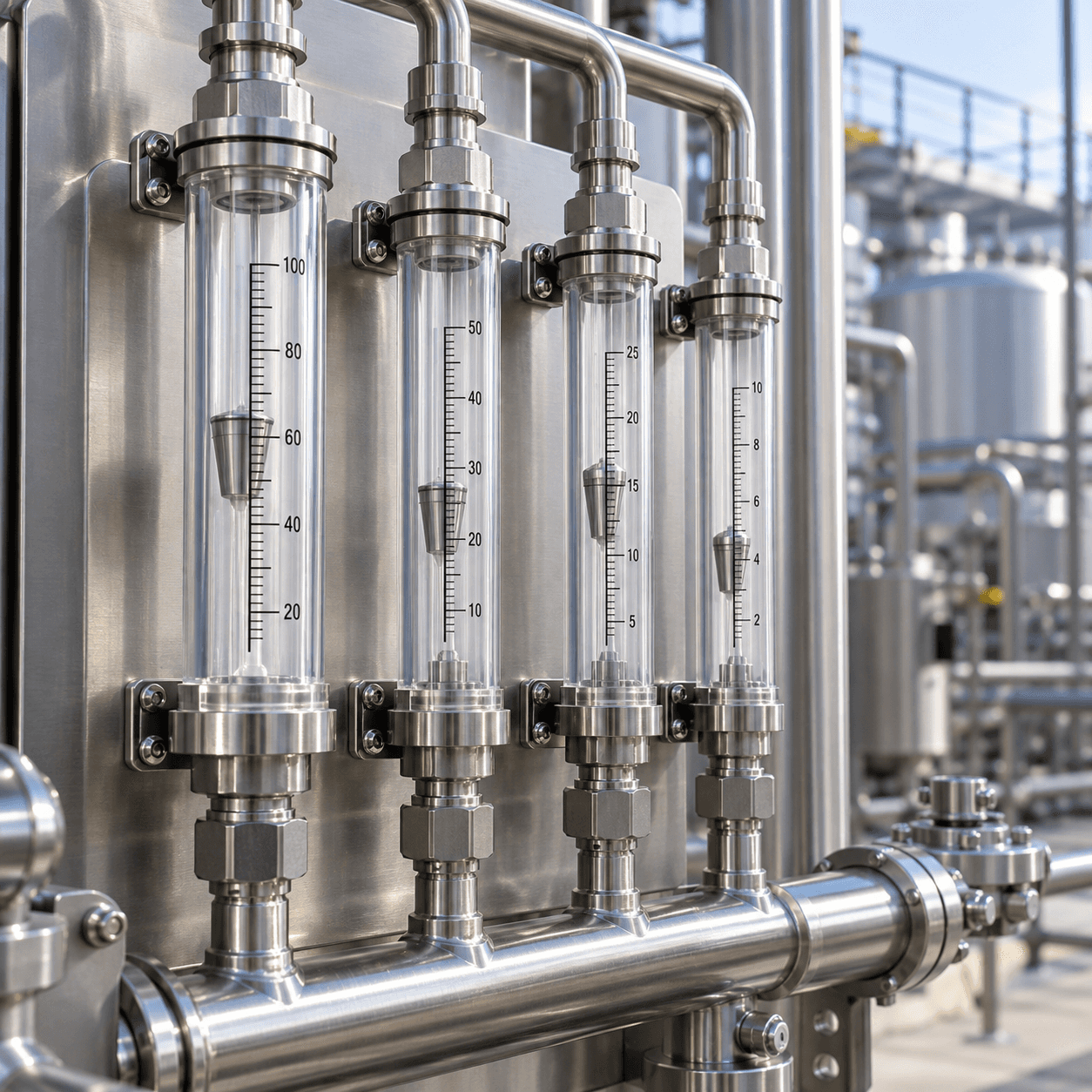
Rotameter / Variable Area
LF
Laminar Flow
P / 03
MASS
Mass
Measure mass flow directly through inertia, heat transfer, or weight.
CO
Coriolis
TM
Thermal Mass
GR
Gravimetric
GF
Gas Flow Meters
P / 04
OPEN
Open Channel
Convert level or volume change into flow for gravity and pumped systems.
PF
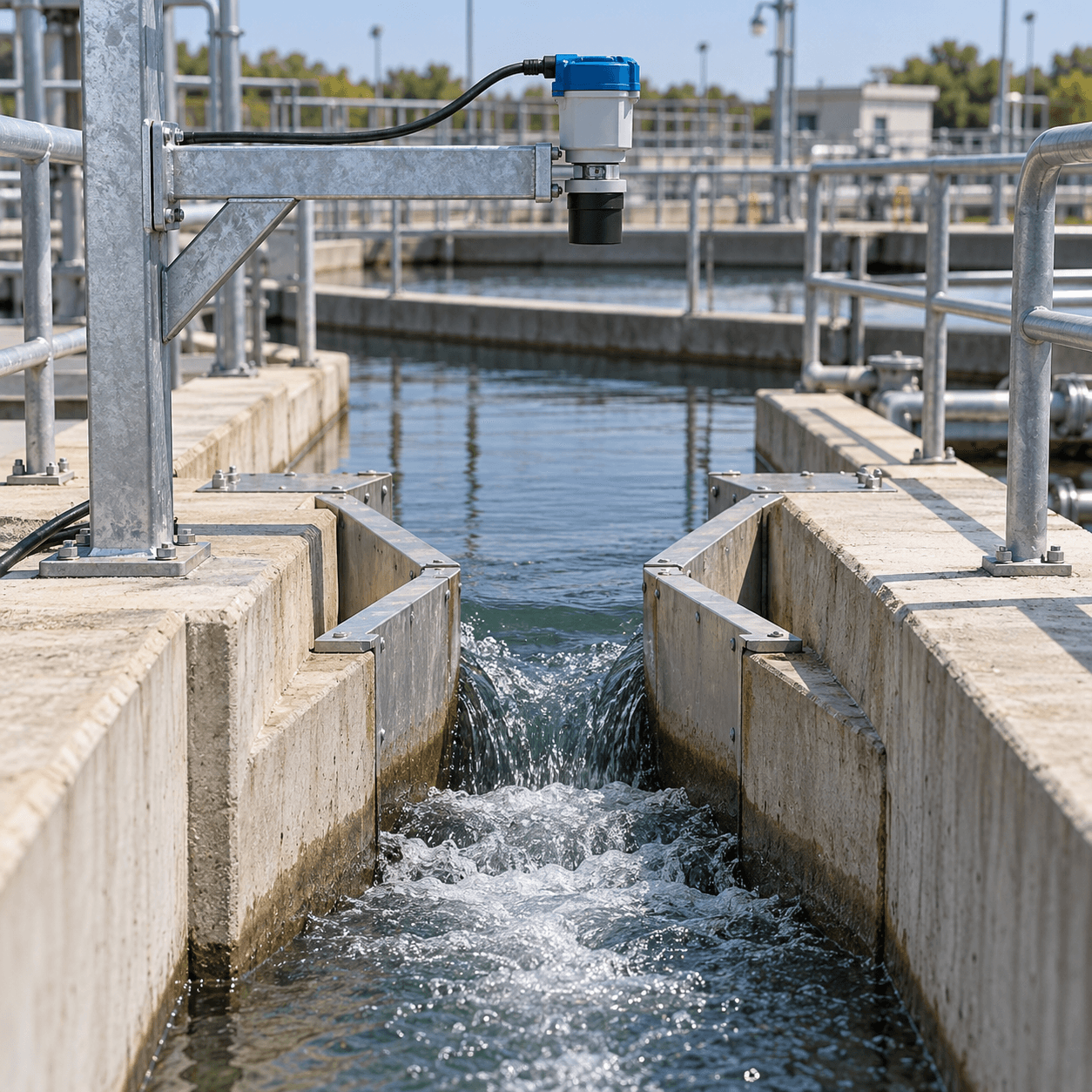
Parshall Flumes
WR
Weirs
LD
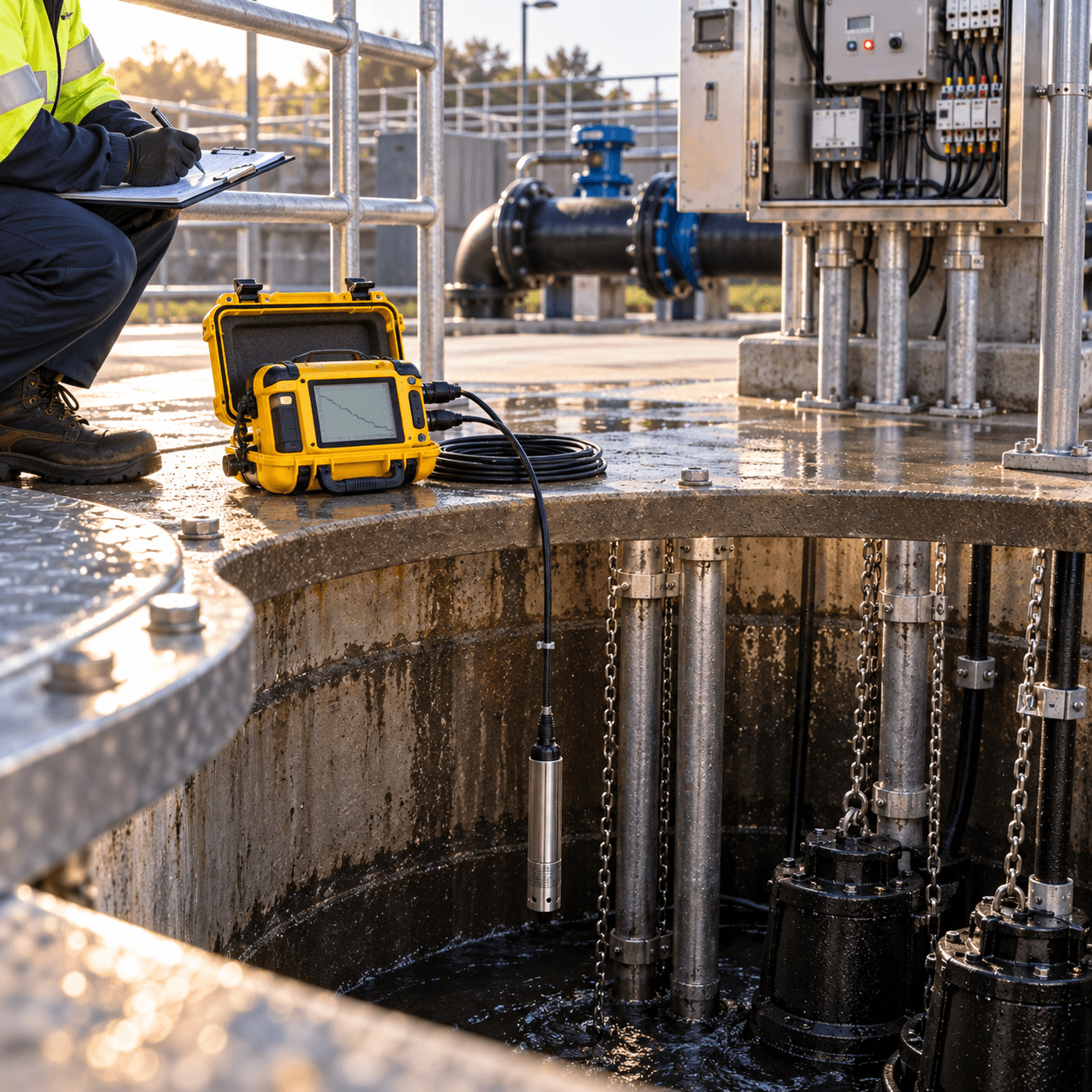
Lift Station Pump Drawdown
P / 05
DIFF
Differential & Specialty
Pressure-differential elements and related process fluid instruments.
VT
Venturi
VC
Viscosity Cups & Meters
Not sure which principle your meter uses?
Send us the make and model. We’ll identify the meter type and recommend an appropriate calibration or verification approach for your installation.


FIELD EQUIPMENT / METERS, TRANSMITTERS & TOTALIZATION SYSTEMS
FIELD DIAGNOSTICS / COMMON SYMPTOMS
What is your flow meter telling you?
Many service requests start with a reading that doesn’t look right. These are common flow meter symptoms and the areas a technician typically checks. The actual cause is confirmed through troubleshooting before any adjustment or repair.
SYMPTOM INDEX / S 01–06
MEASURED
EXPECTED
DEVIATION
S / 01
DRIFT
Readings drift over time
CAN POINT TO
Gradual sensor changes, buildup or coating on wetted parts, or zero and configuration settings that no longer match the installation.
WHAT WE CHECK
Sensor and electrode condition
Zero and configuration settings
As-found readings against a reference, where applicable
S / 02
PULSE GAP
Totalizer doesn’t match the expected volume
CAN POINT TO
Pulse scaling or K-factor settings, missed or extra pulses between devices, or a totalizer that was configured or reset differently than the meter.
WHAT WE CHECK
Pulse output and scaling
Totalizer configuration
Signal path from meter to receiver
S / 03
NOISE
Erratic or noisy signal
CAN POINT TO
Grounding or shielding problems, entrained air, a partially filled pipe, electrical interference, or flow disturbances near the meter.
WHAT WE CHECK
Grounding, wiring, and shielding
Pipe fill and installation conditions
Signal quality at the transmitter
S / 04
ZERO
Reads zero while flow is present
CAN POINT TO
Low-flow cutoff or empty-pipe settings, a sensor or transmitter fault, lost power or wiring problems, or a blocked or fouled primary element.
WHAT WE CHECK
Power, wiring, and connections
Cutoff and alarm settings
Sensor and transmitter function
S / 05
OUTPUT
Output doesn’t match the local display
CAN POINT TO
Range or scaling differences between the transmitter and the receiving system, analog output drift, or loop wiring and termination problems.
WHAT WE CHECK
Analog output against the display
Range and scaling at both ends
Loop wiring and termination
S / 06
LEVEL
Open-channel flow reads high or low
CAN POINT TO
A level sensor offset, a shifted zero reference, debris or buildup in the flume or weir, or a level-to-flow conversion that doesn’t match the primary element.
WHAT WE CHECK
Level measurement against a reference
Primary element condition
Level-to-flow conversion settings
Seeing a different symptom?
Describe what the meter is doing and include the make and model. A technician can help determine whether troubleshooting, calibration, or repair is the right next step.
MEASUREMENT PATH
FULL-PIPE METER
02 TRANSMITTER
12.0 mA
03 OUTPUT
04 TOTALIZER
Σ 012,480
GAL TOTAL
01 PRIMARY
FLOW
PRIMARY TO TOTALIZER
FULL PATH IN SCOPE
Flow meter calibration for the complete measurement path, not just the display.
Our flow meter service can include sensor and transmitter checks, reference comparison, scaling, pulse or analog output verification, totalizer review, configuration, wiring, and complete-loop performance. Service is available on site or through our mail-in calibration lab for eligible equipment.
Calibration and verification
Signal, scaling, and totalizer checks
On-site and in-lab options
Detailed calibration documentation
Resolve drift, signal faults, and configuration errors across flow systems
Inspection, troubleshooting, repair, and recalibration can help restore dependable operation—or clarify when sensor, transmitter, or meter replacement is the practical option.
Flow Meter Service Questions
Clear answers about calibration, verification, schedules, supported meters, and service documentation.
Have a different question? Call (763) 972-1001.